5 Key Components to the Retirement Bucket Strategy

Saving for retirement is a long-term endeavor. It’s not about finding the next hottest stock or trying to get rich quickly. It requires a different perspective on your wealth and income that accounts for your needs in different stages of your life, from the beginning of your working years through your retirement. These five key […]
Retirement Requires a New Perspective on Wealth and Income

Last year, you may not have worried about market downturns or cost-of-living increases, but with market volatility and inflation threatening retirement plans this year, it’s important to make sure you know your options when it comes to protecting your wealth, earning income, and knowing the difference between both. Keeping Your Income at Pace with Inflation […]
Is Your IRA at Risk in This Market?

During bear markets, we must ask different questions about our money and our assets. It is no longer about which stocks will double over the next twelve months. Instead, it will likely be about how to preserve your portfolio value by investing in stable equities with a consistent yield or profitability to mitigate the risk […]
You’re Ready to Retire – But Are Your Finances?

Many people feel ready to retire, but fewer are financially ready to do so. It’s one thing to feel you’ve accomplished enough in your career or even that you’ve saved enough, but it’s another to have a plan in place that covers everything important. If you’re ready to retire, consider your finances. Have a Plan, […]
Will You Have Tax-Advantaged Buckets in Retirement?

You’ll likely have several sources of income in retirement that can be taxed, such as IRA distributions and Social Security benefits. But, do you have any after-tax “buckets” that you can use strategically in retirement to help reduce your tax bill? There may be a few options available to you, so know how they work. […]
Why Today’s Retirees Might Fear Running Out of Money

You might have been aiming to save a certain amount for retirement – and maybe you’ve already achieved that goal. But, considering inflation, an unpredictable market, and a lack of guaranteed income once your paycheck stops, you might be reconsidering whether you’ve actually saved enough. There are a few reasons why today’s retirees might fear […]
Three Unexpected Taxes in Retirement

When we think of major retirement expenses, we often consider housing, healthcare, and that trip of a lifetime we’ve been dreaming about for years. But, we often fail to consider what could potentially be our biggest expense – taxes. Many of your sources of income in retirement are taxable, so don’t overlook these three unexpected […]
Why We Could See More Inflation and Market Volatility
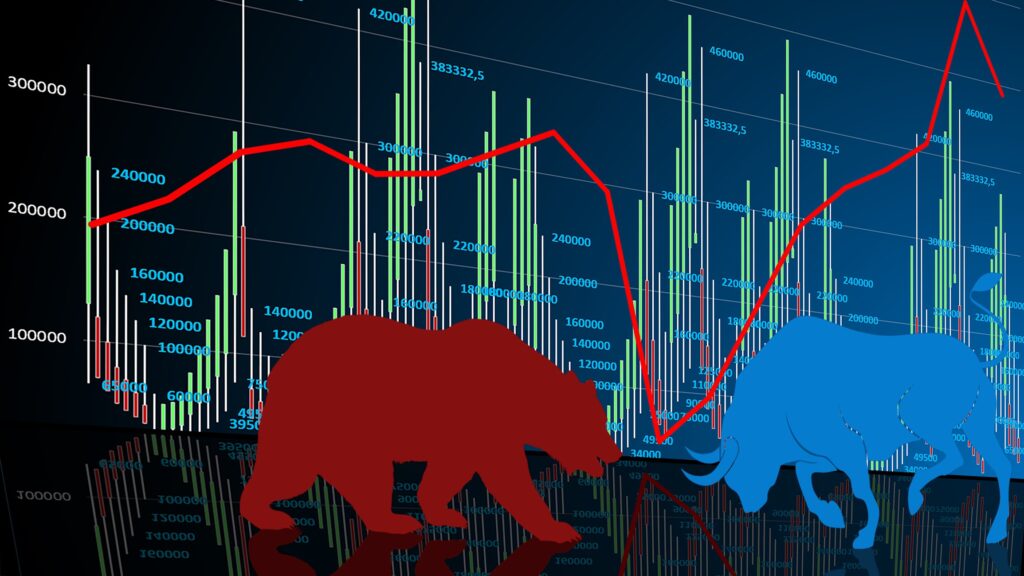
As we saw during the COVID-19 pandemic, what happens somewhere halfway around the world can have a major impact on us. Now, the global economy faces new threats as a result of Russia’s invasion of Ukraine, including spiking energy prices, inflation, and a volatile market. Know how you could be affected and what strategies you […]
Where Will Your Retirement Income Come From?

Once you’ve sold your business, you’ll need to make a lump sum of savings last for the rest of your life. This can be difficult, even for those who already have a substantial amount saved. Retirement can last for decades, and the risk of running out of money is very real, especially if we see high inflation and […]